Floral · Celadón Longquan

Vasija de celadón para arreglos estacionales serenos

Una sola rama junto a la ventana

$280

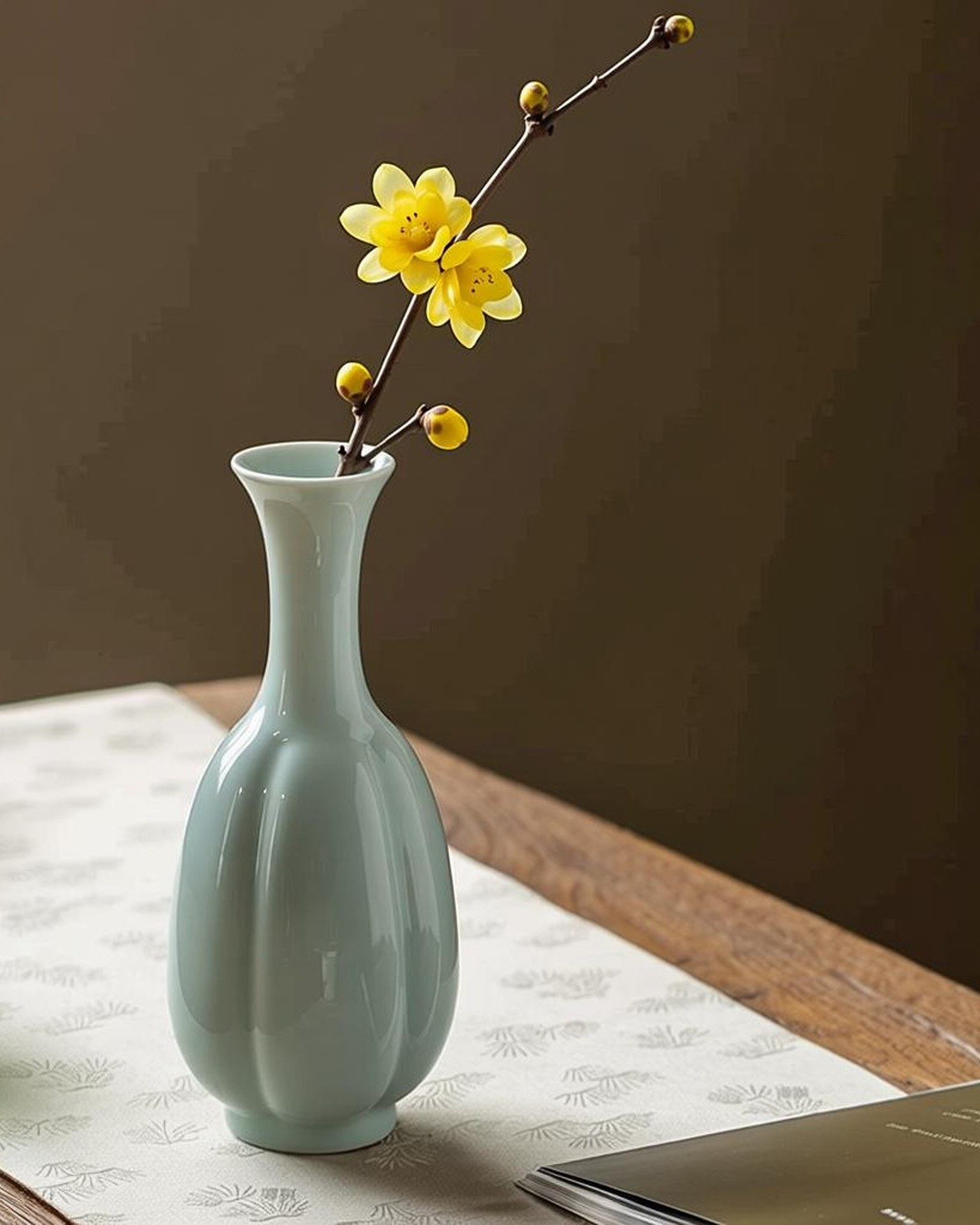
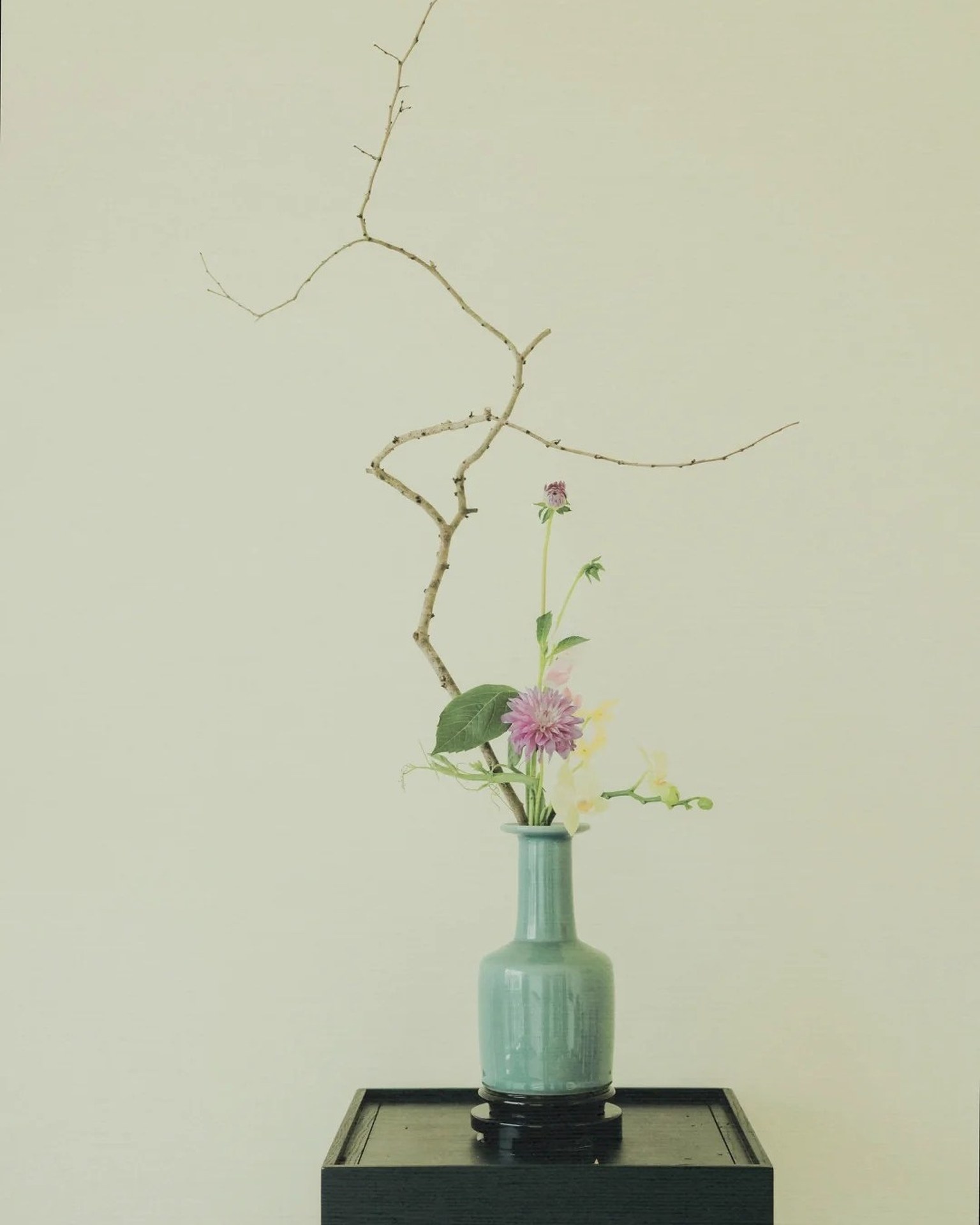
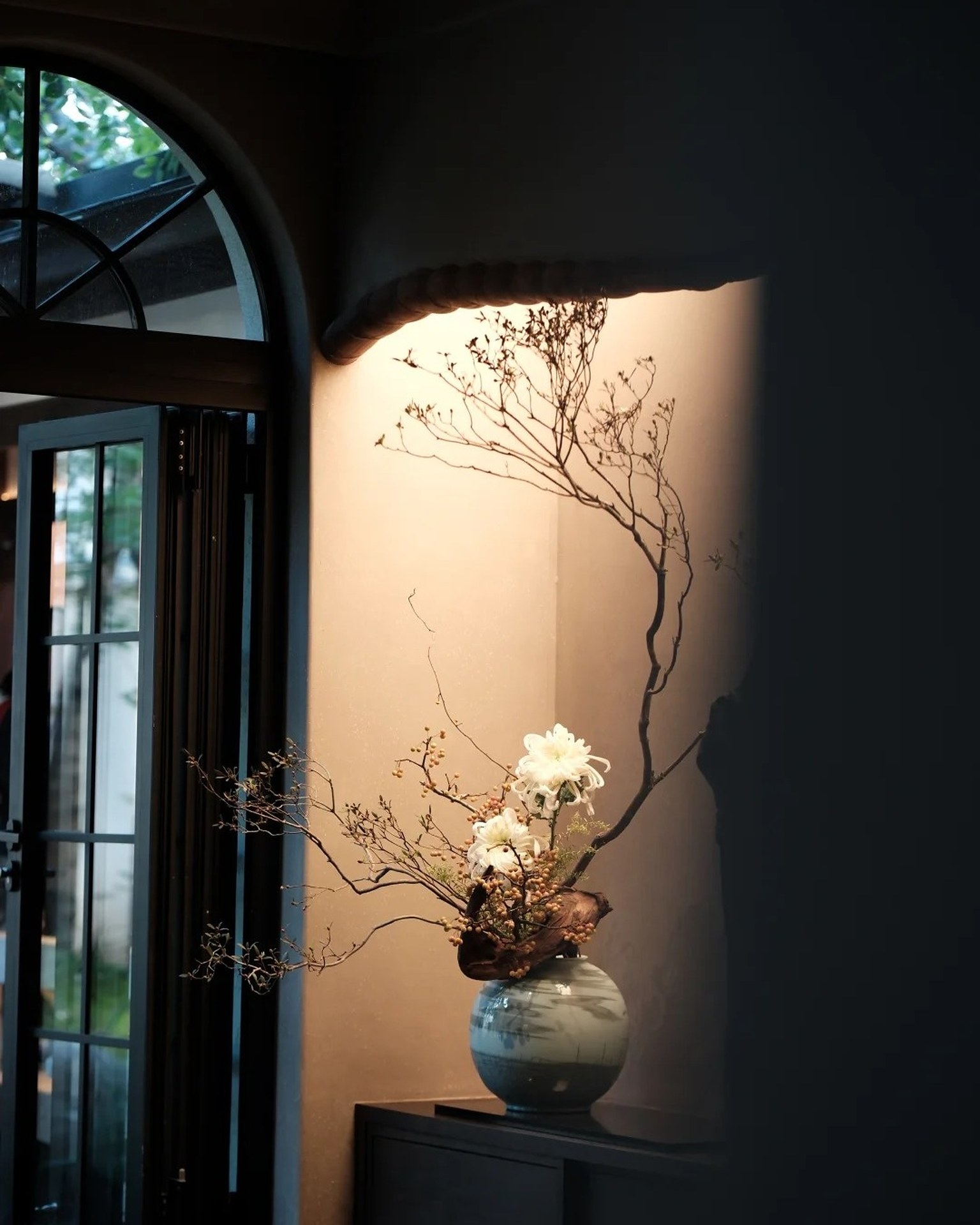
A vessel designed for one branch, not a bouquet. Place it where morning light enters — the jade glaze catches the warmth, and the single flower becomes the room's quiet center.

Size
Medium · H18cm
Tall · H24cm
1
Object Booklet Included Worldwide Shipping Care Guide Included
Object Details

Vasija de celadón para arreglos estacionales serenos

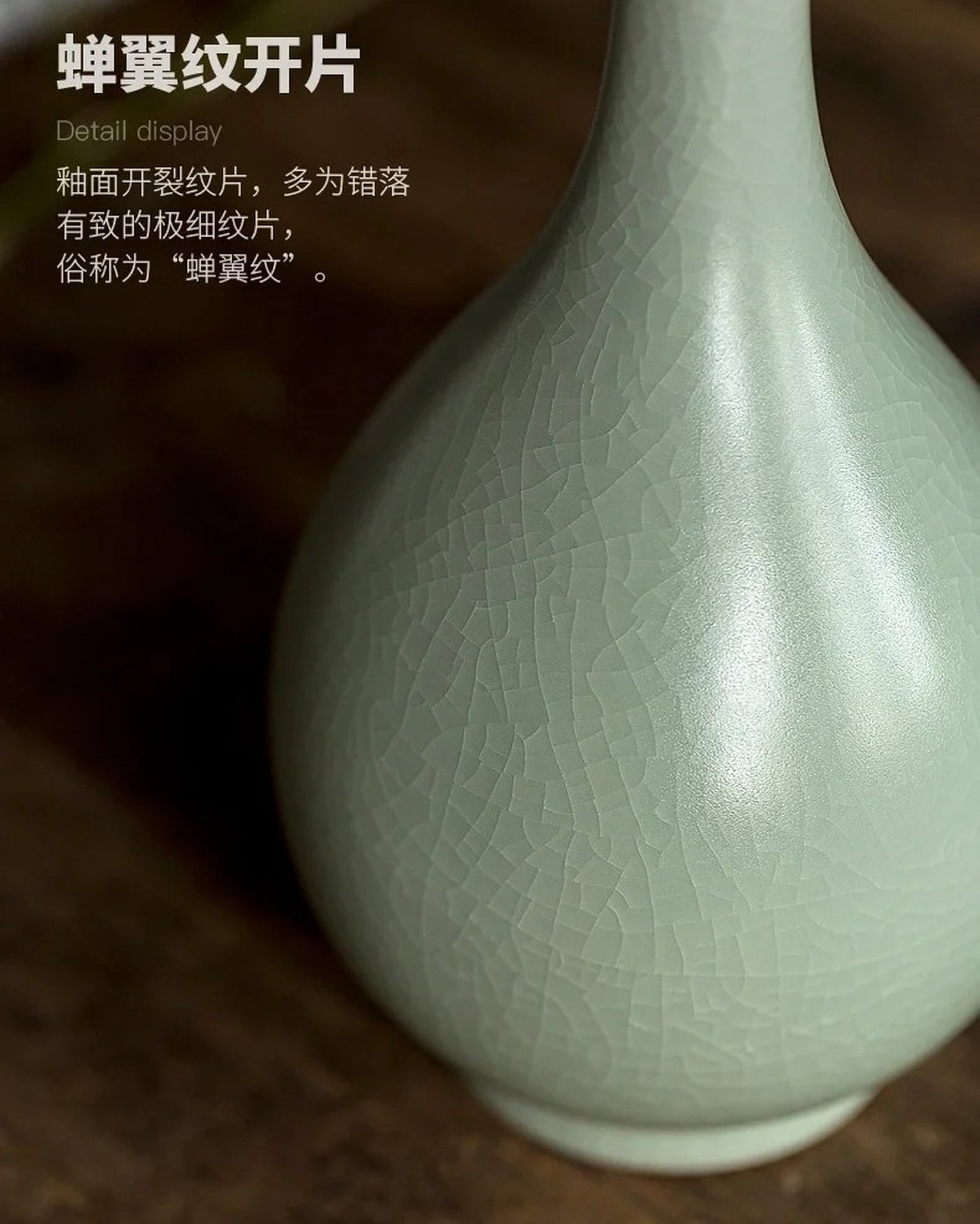
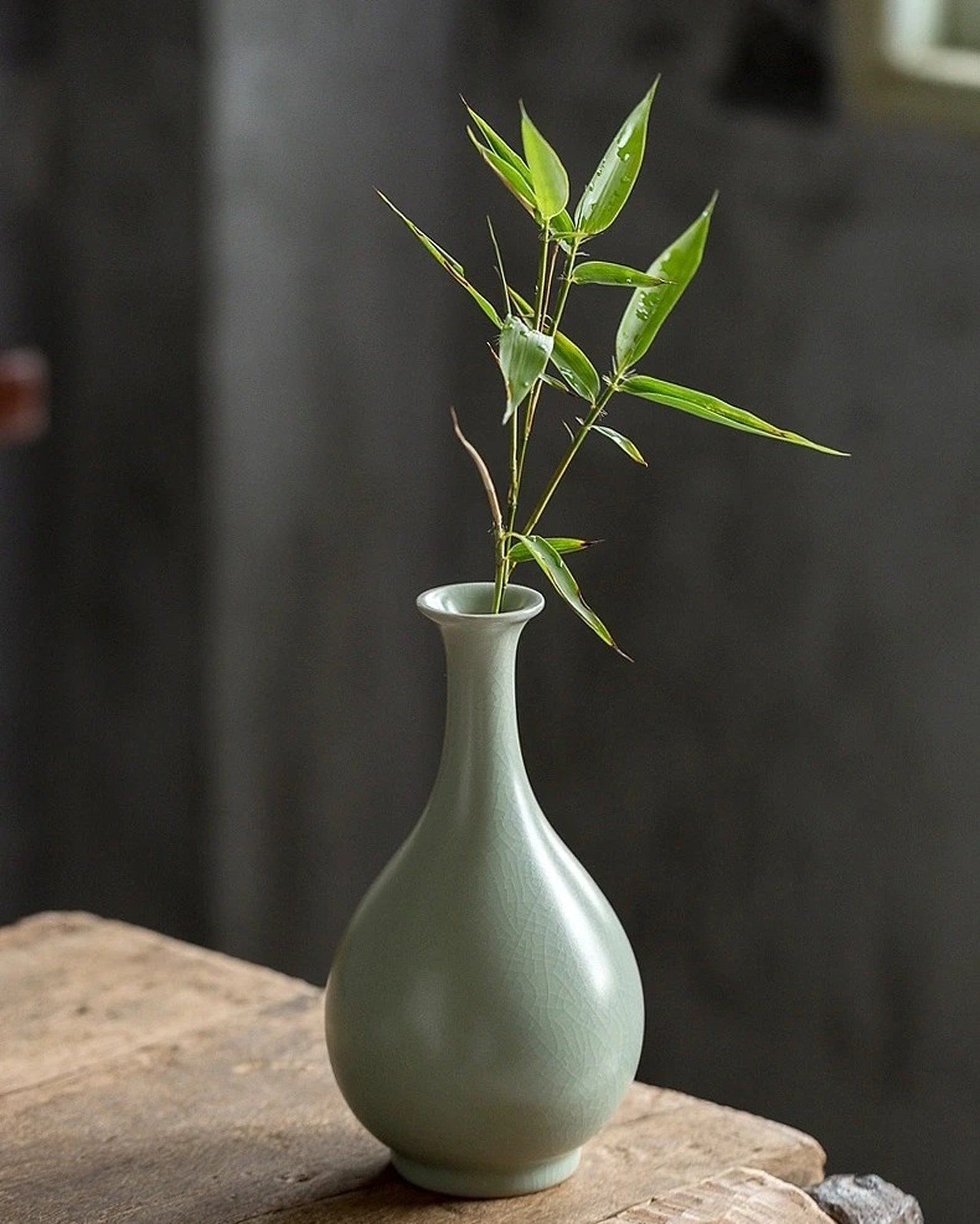
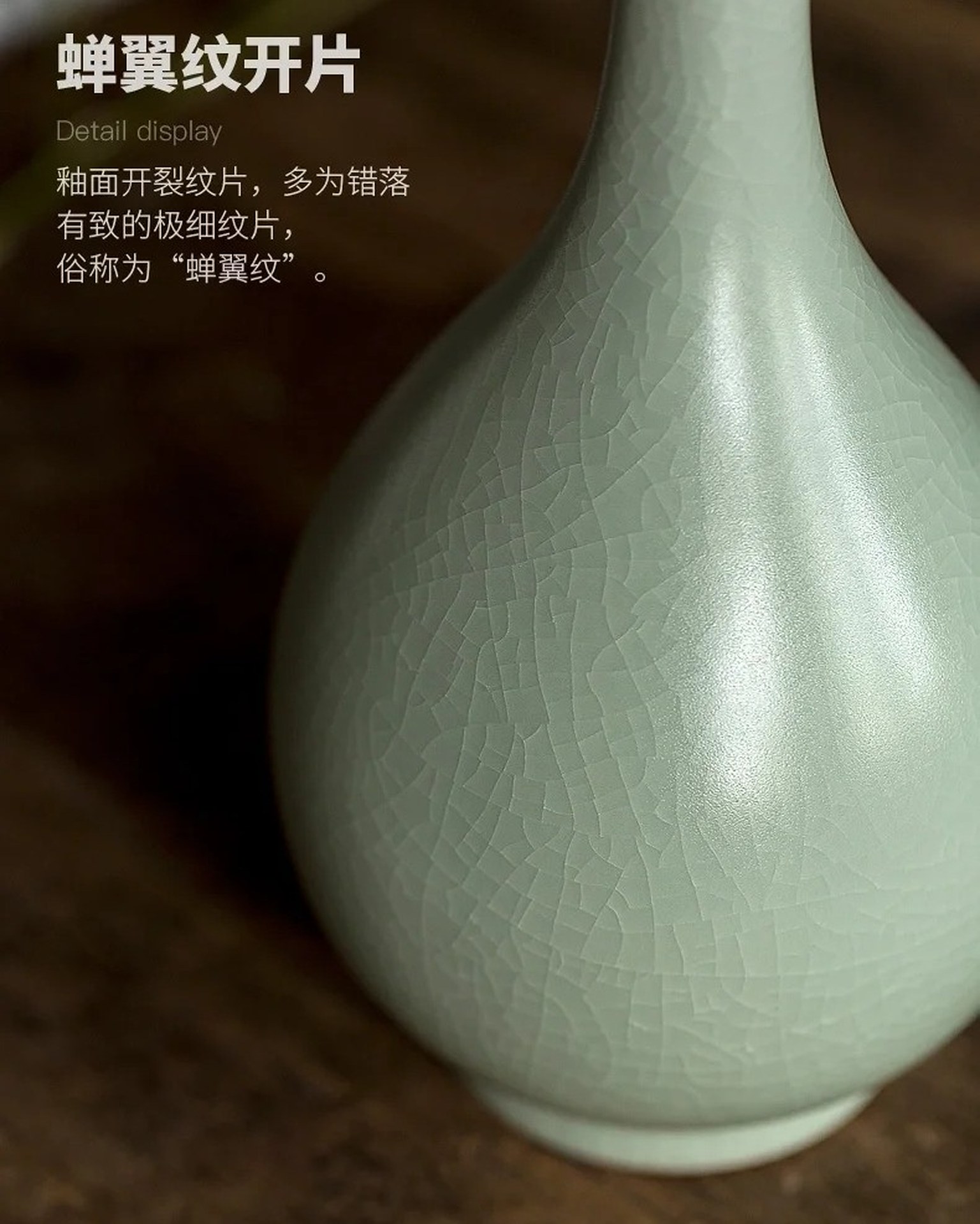
Hand-thrown on a traditional kick wheel in a Longquan studio, this vessel carries the jade-green glaze that has defined the region for over 1,700 years. The form is minimal — a narrow neck, a gentle shoulder, a base that sits with quiet weight.

Each piece is glazed twice and fired at 1,280°C. The iron in the glaze oxidizes in reduction to produce the pale green that Longquan masters call "meizi qing" — plum-green.

  • MaterialLongquan celadon stoneware
  • GlazeMeizi qing (plum-green), reduction-fired
  • DimensionsH18cm × W12cm (Medium)
  • WeightApprox. 680g
  • Capacity1–3 stems
  • OriginLongquan, Zhejiang, China
  • Firing Temp1,280°C
Craft & Origin

Vasija de celadón para arreglos estacionales serenos

Longquan celadon has been fired continuously since the Northern Song dynasty. The kilns sit in the mountains of southern Zhejiang, where the clay is fine and the forests provide fuel for the long reduction firings.

The glaze — a combination of clay, feldspar, and iron oxide — turns green only when the kiln's atmosphere is carefully starved of oxygen. Too much air, and the iron turns yellow-brown. Too little, and it goes grey. The window is narrow, and the master's skill is in reading the flame.

This vessel was made by a third-generation celadon artisan who works in a family studio of four people. Each piece is signed on the base with a carved seal.

Read the full craft story →
How to Live with It

Vasija de celadón para arreglos estacionales serenos

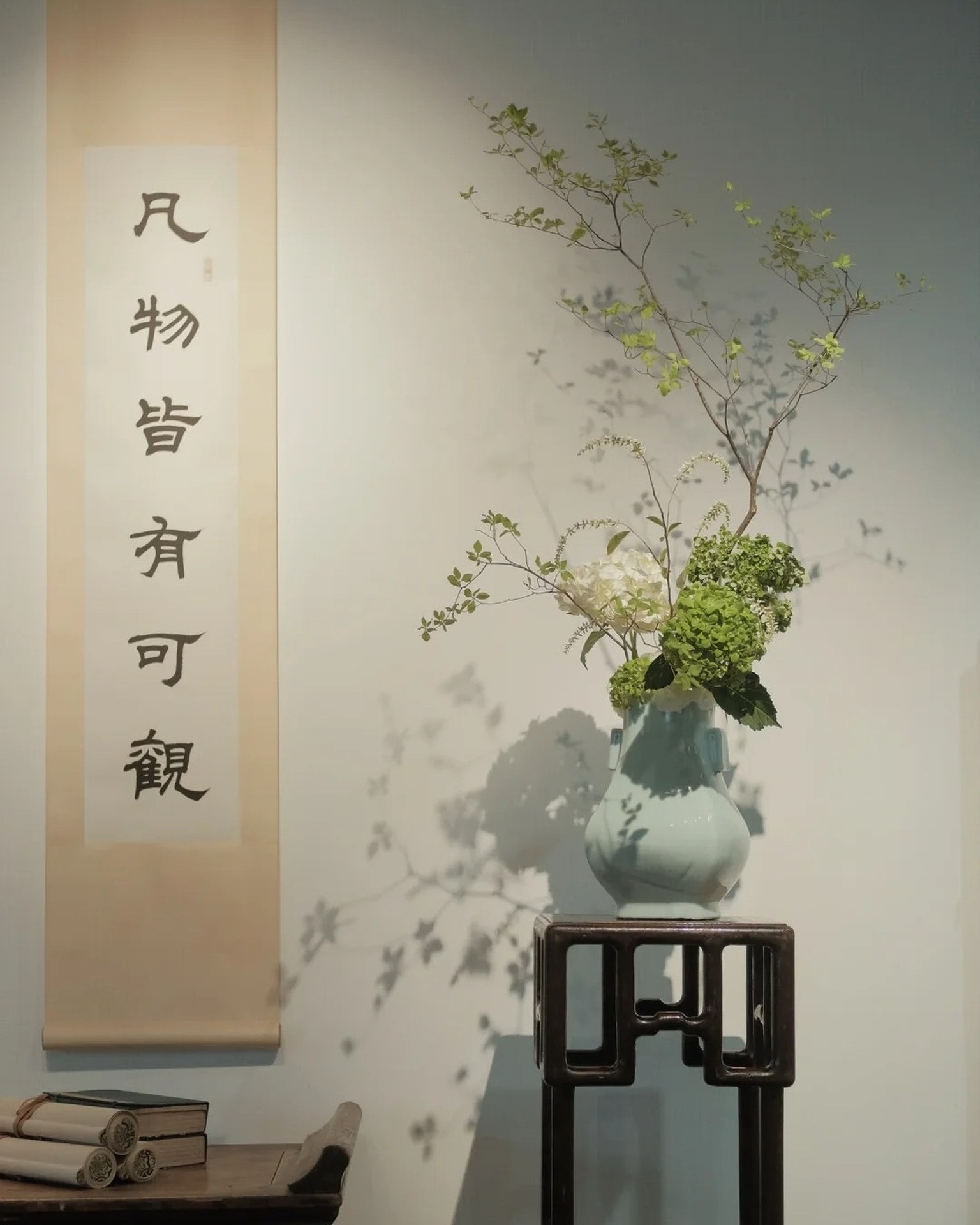
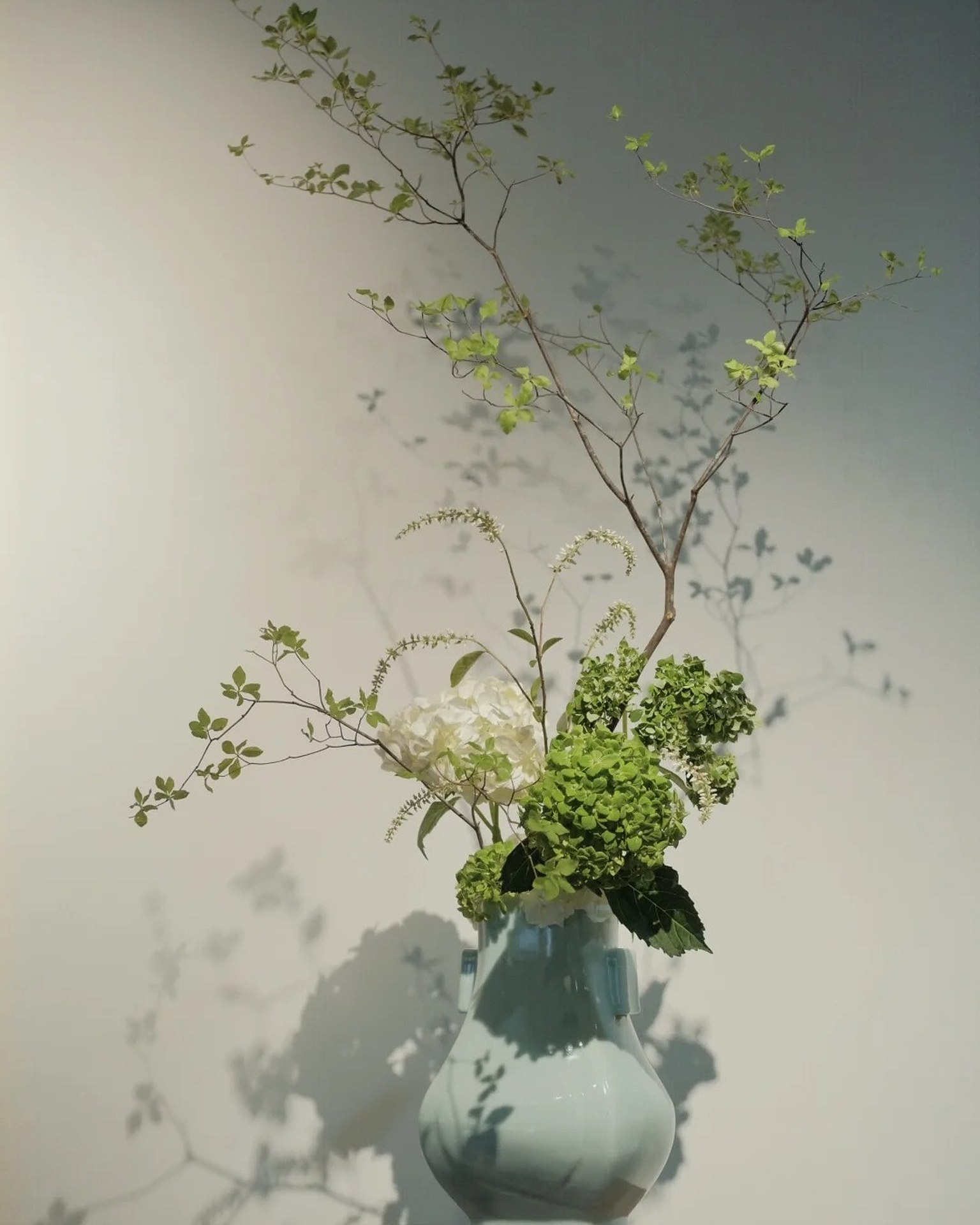
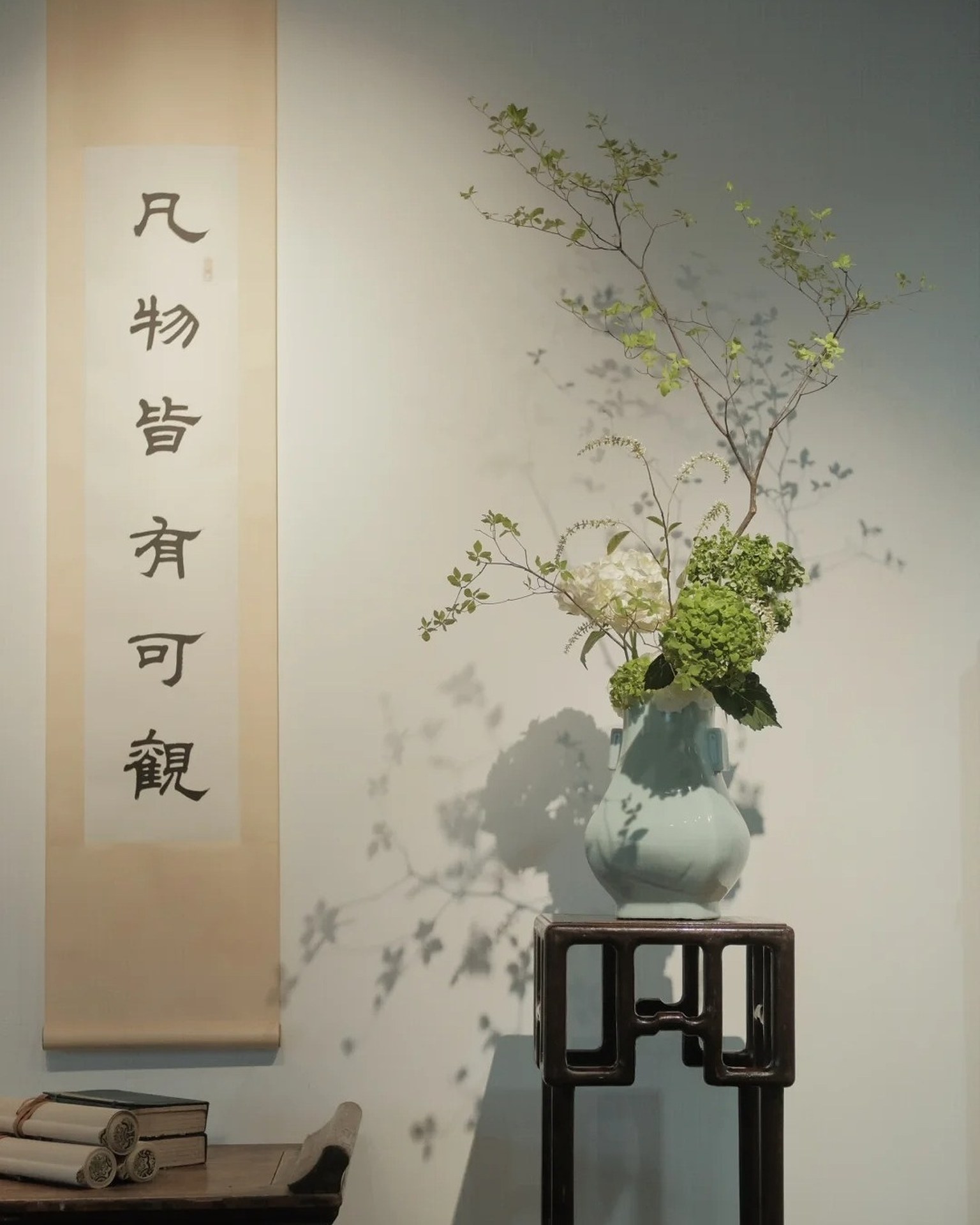
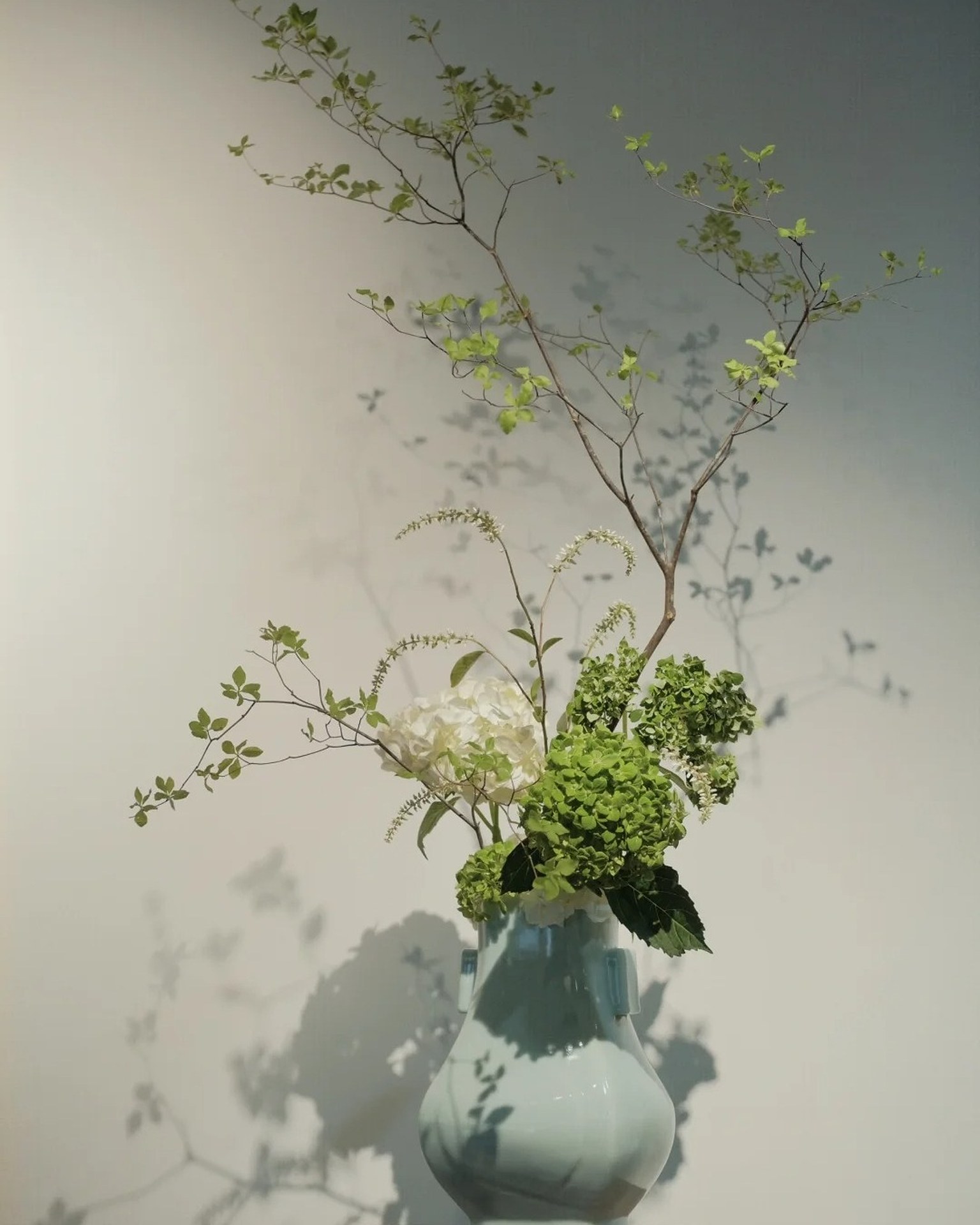
This vessel asks for restraint. One branch is enough — a prunus cutting in February, a peony spray in May, a single maple leaf in October. The vessel's quiet form lets the flower speak.

Place it where you pass often — a window sill, a reading desk, an entryway shelf. Change the water every two days. Cut the stem at an angle. That is the entire ritual.

The vessel also stands alone. After the flowers are gone, the glazed surface catches light like still water. It is enough.

Guía de cuidado

Vasija de celadón para arreglos estacionales serenos

01
Rinse with warm water
No detergent. The glaze is non-porous and self-cleaning with a gentle rinse.
02
Change water every 2 days
Fresh water keeps the stems healthy and the vessel interior clear.
03
Dry with soft cloth
After use, wipe with a cotton or linen cloth. Avoid abrasive sponges.
04
Avoid sudden temperature change
Thermal shock can crack stoneware. Do not pour boiling water into a cold vessel.
The JIHE Book

This vessel arrives with
a story in your hands.

Una vasija pensada para una sola rama, no para un ramo. Colócala donde entra la luz de la mañana: el esmalte color jade recoge la calidez y una sola flor se convierte en el centro silencioso de la habitación.

  • What is it?
  • Where does it come from?
  • How was it made?
  • Why is it beautiful?
  • How do you use it?
  • Why this one?
  • How do you care for it?
Pair With

Vasija de celadón para arreglos estacionales serenos